
When you’re dealing with serious loads, there’s no substitute for a large hydraulic cylinder. Whether you’re in construction, mining, marine, or manufacturing, these heavy-duty components are the backbone of powerful machines. But understanding what makes them work—and how to keep them working—isn’t always simple.
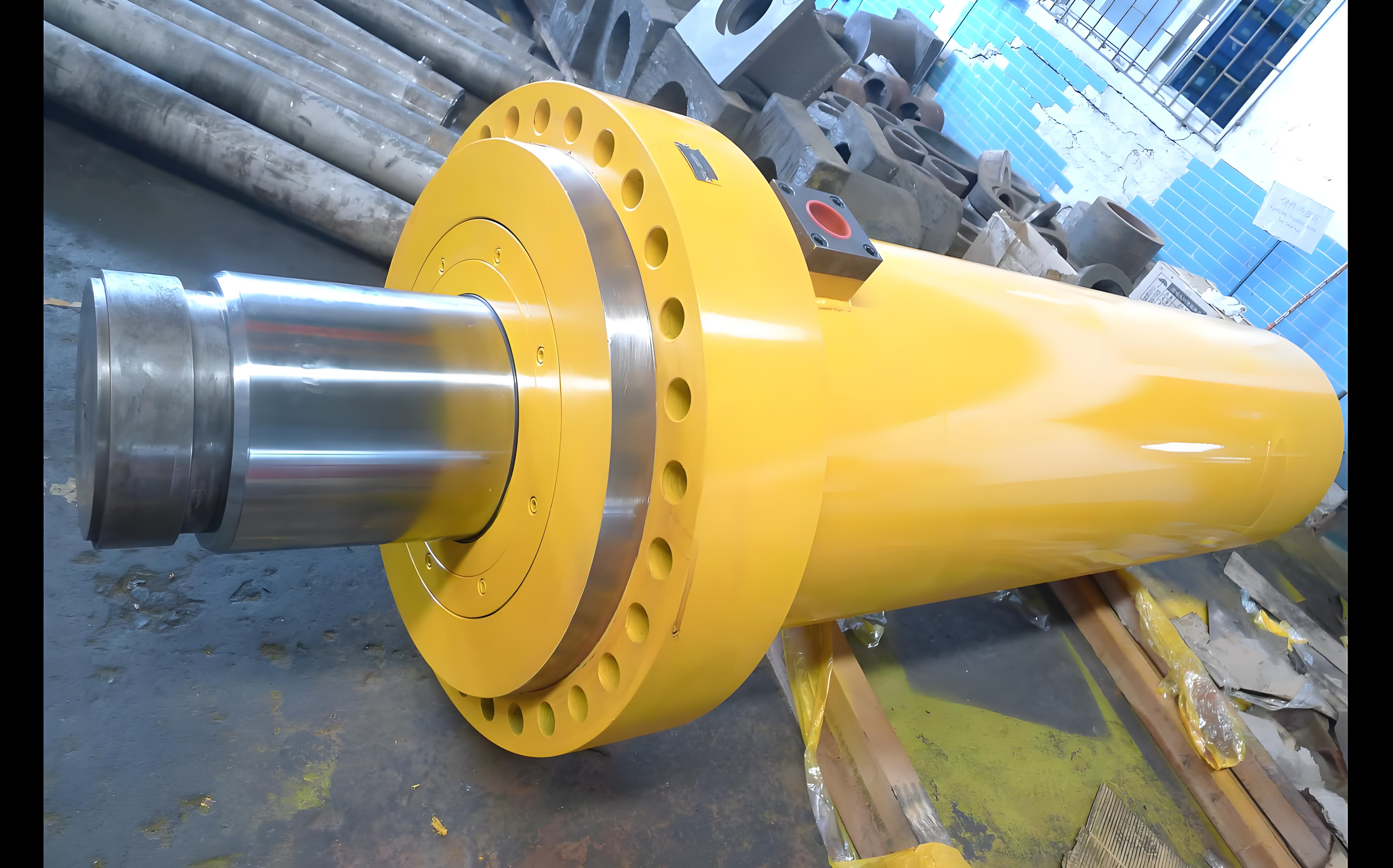
In this article, we’re breaking down the practical side of large hydraulic cylinders, based on real-world use, not just specs on paper. If you’re a machine operator, a buyer, or a repair technician, this will help you make smarter choices.
What Is a Large Hydraulic Cylinder?
A large hydraulic cylinder isn’t just defined by its physical size. Typically, these cylinders are built to handle high forces and long stroke requirements. We’re talking bores that exceed 200 mm (around 8 inches), stroke lengths in the meters, and pressure ratings that go above 3000 psi.
These cylinders convert fluid pressure into powerful linear motion. Their size and construction allow them to lift, push, or pull massive loads with precision and control—something smaller cylinders just can’t manage.
Where Large Hydraulic Cylinders Are Used
These aren’t your average shop-floor actuators. Here are some industries where large hydraulic cylinders are essential:
Heavy Construction Equipment
Think bulldozers, excavators, and cranes. These machines depend on large cylinders for boom lifts, bucket tilts, and undercarriage movement. The harsh conditions and massive loads make durability a top priority.
Industrial Machinery
Steel mills, presses, and forming machines often require massive force to shape or compress materials. That force is typically delivered by large hydraulic cylinders—sometimes custom-built for a specific machine or function.
Marine and Offshore Applications
On oil rigs and ships, large cylinders control steering, lifting equipment, and stabilization systems. These applications demand corrosion resistance, robust design, and absolute reliability in extreme environments.
Real-World Scenario: When Size Really Matters
We recently spoke with a mechanic who services mining equipment in Western Australia. He shared a story about replacing a worn-out 12-foot-long hydraulic cylinder on a front loader. The unit weighed over a ton and had to be transported via flatbed. The team didn’t just swap it out—they had to align the entire frame to prevent rod misalignment and future seal damage.
It’s stories like these that show how large cylinders aren’t just “bigger”—they’re a different beast entirely.
Key Features That Make a Difference
If you’re in the market for a large hydraulic cylinder, or trying to understand one you already own, here are some key features that matter:
Bore Size and Stroke Length
The bore determines the cylinder’s force output. Larger bore, more power—but also more fluid needed. Stroke length affects how far the cylinder can extend and retract. Both need to match your system’s design precisely.
Rod Diameter and Sealing Technology
A larger rod diameter can resist bending and provide greater stability. Equally important are high-performance seals—standard seals won’t last long under high load and pressure.
Mounting and Load Handling
Large cylinders usually have trunnion, flange, or clevis mounting, depending on the load angle and force direction. Incorrect mounting is a common cause of early wear, so this detail matters more than you think.
Buying or Replacing a Large Hydraulic Cylinder: What to Consider
Replacing a small cylinder is one thing—but with large cylinders, costs, downtime, and logistics scale up fast. Here’s what to think about before buying:
- Does the new cylinder match your equipment’s exact specifications?
- Is it standard or custom-built? Custom options may have long lead times.
- Do you have the tools and lifting equipment to handle installation safely?
- What’s the total cost of ownership—not just purchase price, but maintenance and potential downtime?
Getting the right cylinder the first time saves major headaches down the road.
Maintenance Tips from the Field
Because large hydraulic cylinders are critical to operations, keeping them in top shape is a must. Here’s what experienced operators recommend:
- Inspect rod surfaces weekly for scratches, rust, or debris
- Monitor seals for any sign of weeping or leakage
- Use the correct hydraulic fluid, and keep it clean
- Check mounting bolts and bushings regularly for tightness and wear
- Never extend the cylinder beyond its rated stroke limit
A bit of preventative care can add years to a cylinder’s life—especially important when replacement costs run into the tens of thousands.
Final Thoughts: Is Bigger Always Better?
Large hydraulic cylinders offer unmatched power and durability, but they also come with challenges—space requirements, cost, and complexity. If your job truly demands that level of force and reliability, then yes—bigger is absolutely better.
But like any component, the key to success lies in selecting the right cylinder for your application, maintaining it properly, and respecting the limits of the system.
Whether you’re buying, maintaining, or troubleshooting, understanding your large hydraulic cylinder isn’t just smart—it’s essential for keeping your equipment (and business) running smoothly.
It is recommended to use various types of hydraulic cylinders, dump truck hydraulic cylinders, Telescopic Dump Truck Hydraulic Cylinder and piston hydraulic cylinders of our company

 Whatsapp


