
Let’s be honest—when most people hear “hydraulic cylinder,” they picture a metal tube with some fluid inside and think, “It just moves stuff.” And that’s not wrong. But there’s a lot going on behind the scenes. Whether you’re working on a backhoe, a factory press, or a custom-built machine, understanding how hydraulic cylinders work can save you headaches, downtime, and even money.
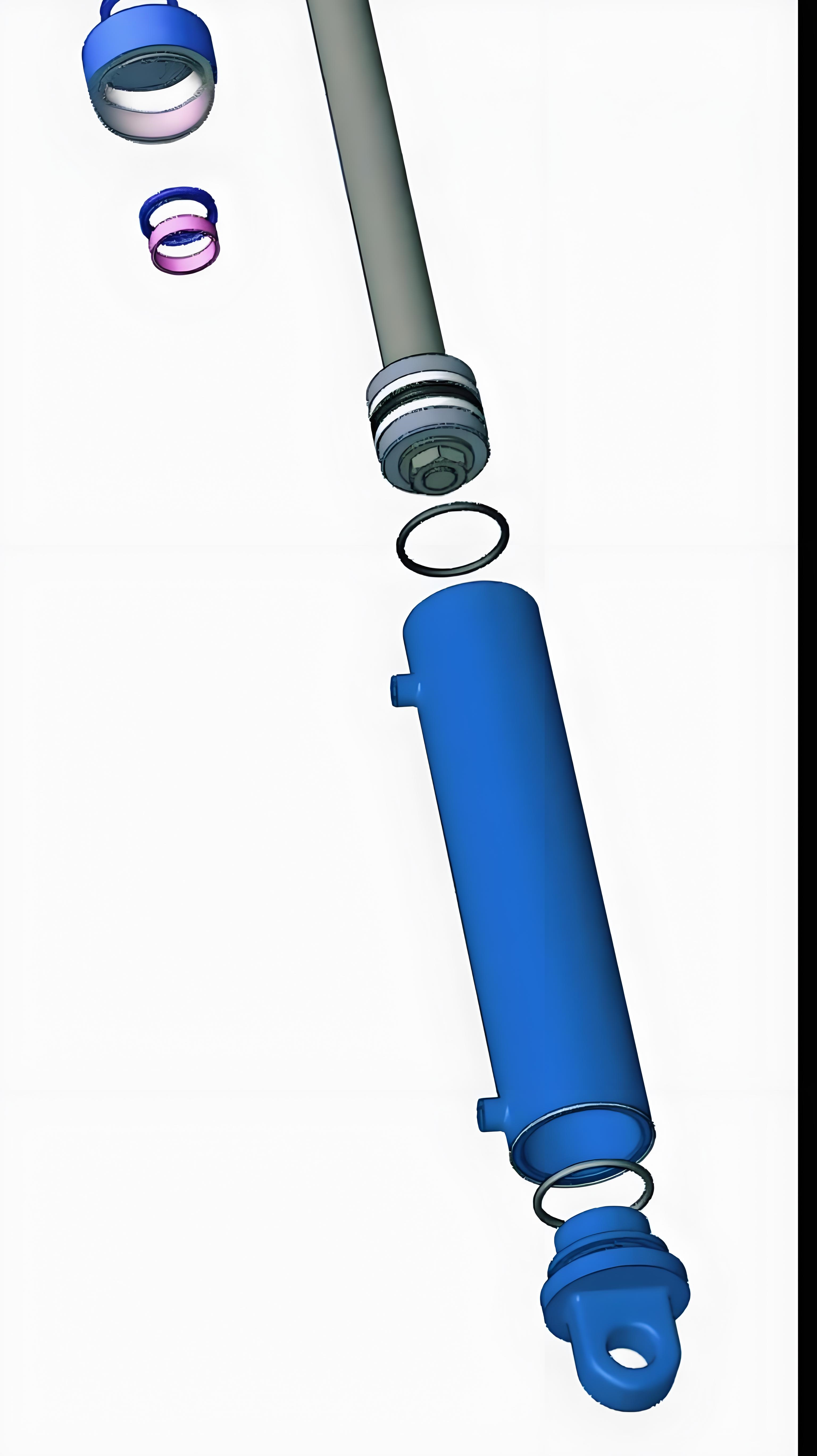
What Exactly Is a Hydraulic Cylinder?
A hydraulic cylinder is basically a mechanical actuator that converts hydraulic energy (fluid pressure) into straight-line motion. In plain English: it uses pressurized fluid to push something with serious force. This is why you’ll find cylinders in just about every heavy-duty machine out there—from bulldozers and forklifts to presses and agricultural equipment.
But it’s not just about brute strength. Hydraulic cylinders offer controlled, repeatable movement—which makes them ideal for jobs where precision and reliability matter.
The Core Principle: How Hydraulic Cylinders Create Force
The working principle is pretty simple, but effective. It’s all based on Pascal’s Law, which says that pressure applied to a confined fluid is transmitted evenly in all directions. Here’s what that means for a hydraulic cylinder:
- Hydraulic fluid is pumped into the cylinder through a hose or pipe.
- The fluid fills one side of the cylinder, pushing against a piston.
- Because the fluid is under pressure, it forces the piston (and the rod attached to it) to move.
- This movement translates into the mechanical action you need—lifting, pushing, pressing, etc.
The more pressure you apply and the larger the piston surface area, the more force you generate. That’s why hydraulic cylinders can lift tons without breaking a sweat.
Key Components That Make It All Happen
It’s not just a metal tube with some fluid inside. A hydraulic cylinder has several key components that must all work together.
Cylinder Barrel
This is the outer shell that contains everything. It holds the fluid and guides the piston. If it’s damaged or warped, the whole system suffers.
Piston and Rod
The piston sits inside the barrel and divides it into two chambers. One side gets pressurized fluid, and the other is either draining fluid or at lower pressure. The rod is connected to the piston and sticks out of one end, transferring movement to the machine.
Seals and Gland
Seals are crucial for keeping fluid inside the cylinder and contaminants out. The gland is the part at the end of the cylinder where the rod comes out. It holds the rod seal and wiper, keeping things tight and clean.
A Real-World Example: Excavator Arm Movement
Let’s take an excavator as an example—it has multiple hydraulic cylinders controlling the boom, stick, and bucket. When the operator moves a joystick, hydraulic fluid is directed to a specific cylinder. Fluid enters one side, pushing the piston, which extends or retracts the arm. It’s smooth, powerful, and responsive—everything a construction worker needs on the job.
And when a cylinder starts sticking, leaking, or failing to hold pressure? That’s when knowing how it all works really pays off. You’ll know what to check, whether it’s a worn-out seal, bent rod, or contaminated fluid.
Common Misunderstandings About How Hydraulic Cylinders Work
People new to hydraulics often think:
- “More pressure always means more power.” Not true. The cylinder’s bore size and rod diameter play just as much of a role in determining force.
- “You can run any oil through it.” Wrong again. The wrong fluid can cause seal damage, poor performance, and even system failure.
- “Leaking fluid isn’t a big deal.” A tiny leak can lead to major performance loss and safety issues over time.
Understanding the basics can help avoid costly mistakes like these.
Maintenance Matters: Why Understanding the Basics Helps You Avoid Downtime
If you know how a cylinder works, you’re way ahead when it comes to maintenance. For example, if you see oil around the rod, it might be a sign of worn-out seals. If movement is jerky or slow, you could be dealing with air in the system or internal leakage.
Simple tips that go a long way:
- Keep the rod clean to prevent seal damage.
- Use only manufacturer-recommended hydraulic fluid.
- Inspect hoses and fittings regularly to avoid pressure loss.
In short, you don’t need to be an engineer to understand hydraulic cylinders. You just need a basic grasp of how they work—and a little common sense. It’ll help you troubleshoot faster, talk to mechanics more effectively, and even extend the life of your equipment.
Hydraulic cylinders may seem simple, but they’re doing a lot of heavy lifting—literally and figuratively. Knowing how they work means you’re not just pushing buttons or pulling levers. You’re operating smarter.
It is recommended to use various types of hydraulic cylinders, dump truck hydraulic cylinders, Telescopic Dump Truck Hydraulic Cylinder and piston hydraulic cylinders of our company

 Whatsapp


