
If you’ve worked with any kind of hydraulic equipment—whether it’s a dump truck, an excavator, or a piece of industrial machinery—you’ve probably come across a hydraulic cylinder valve block. And if you haven’t, chances are your equipment still relies on one to function properly. The thing is, valve blocks are often misunderstood or overlooked until something breaks. In this article, we’ll dig into what a hydraulic cylinder valve block actually does, why it matters, and how to recognize common issues. This is not a textbook explanation—it’s real talk based on what mechanics, operators, and equipment owners deal with every day.
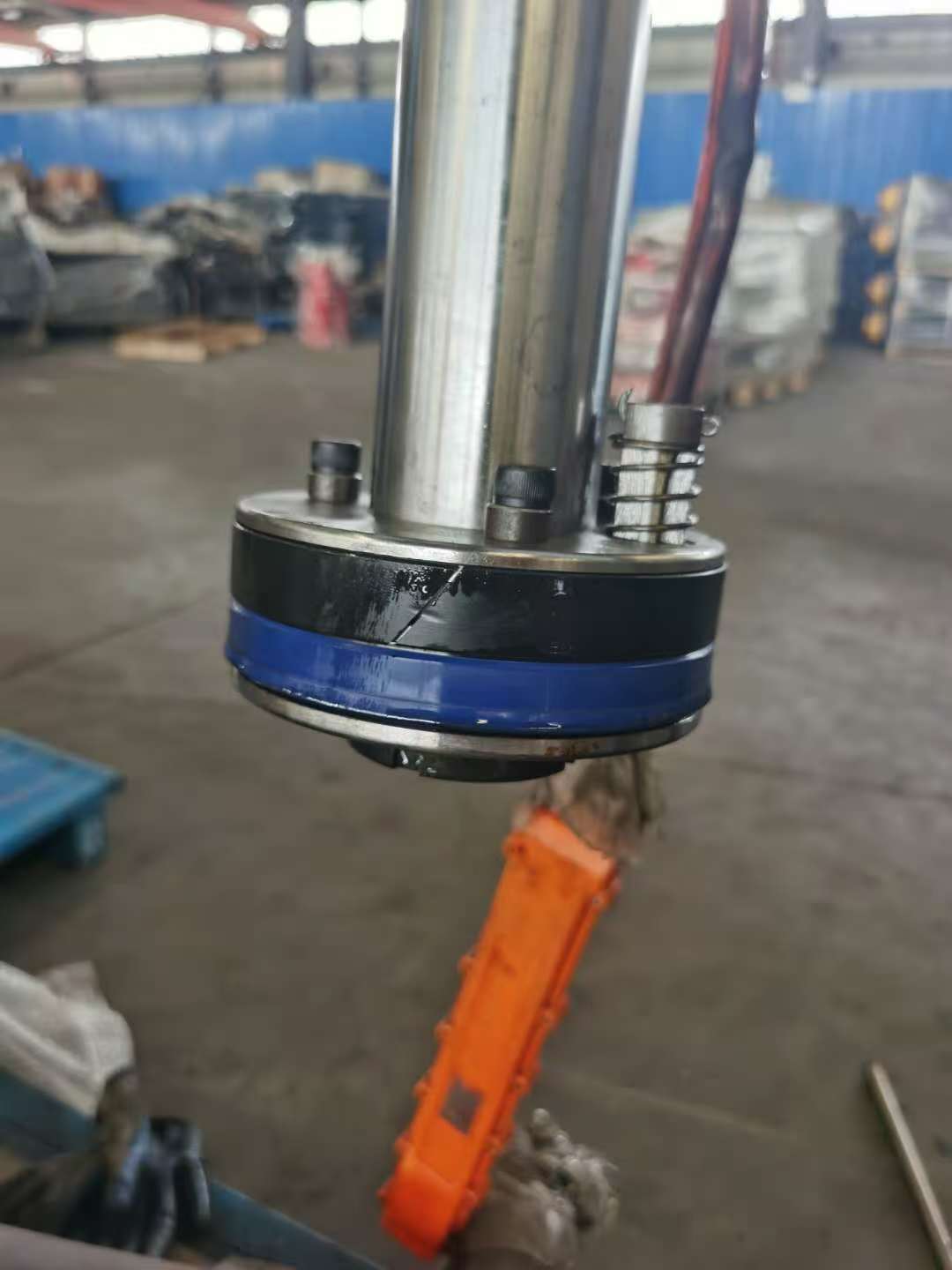
What Is a Hydraulic Cylinder Valve Block?
Simply put, a hydraulic cylinder valve block is a precision-machined chunk of metal (usually aluminum or steel) that contains internal passages and ports for directing hydraulic fluid. It’s like a traffic controller for oil—telling it when to go in, when to stop, when to return, and how fast to flow. It typically connects directly to the hydraulic cylinder or very close to it and houses components like check valves, relief valves, and flow controls.
In many applications, especially in mobile machinery, the valve block is mounted right onto the cylinder body, minimizing hose runs and potential leak points. This design improves efficiency, response time, and safety.
Real-Life Example: Valve Block Failure on a Side-Tipper Trailer
Let’s talk about what happens when things go wrong. One operator in Alberta had a side-tipping trailer used to haul grain. One day, the trailer wouldn’t tip even though the pump was running fine. After a lot of head-scratching, it turned out a small check valve inside the cylinder’s valve block had seized. Fluid couldn’t return, so the cylinder just locked up. It took hours to diagnose because the valve block is small, compact, and hidden behind hoses. That one faulty part caused a full day of lost work and a load of spoiled grain.
That’s why understanding the valve block isn’t just for engineers—it’s essential knowledge for operators, mechanics, and owners alike.
What’s Inside a Hydraulic Cylinder Valve Block?
Though designs vary by manufacturer and application, most valve blocks include some combination of the following components:
- Check Valves – Prevent backflow and help lock the cylinder in position.
- Relief Valves – Protect the system by bleeding off excess pressure.
- Flow Control Valves – Regulate the speed of cylinder movement.
- Load Holding Valves – Also known as counterbalance valves, they stop a load from falling if a hose bursts.
- Solenoid Valves – Electromechanically operated to control flow via signal from a control panel.
All of these are built into the block in a compact, efficient layout. The purpose is to manage flow with as few external connections as possible—keeping things clean, safe, and reliable.
Common Problems with Hydraulic Cylinder Valve Blocks
1. Valve Sticking or Jamming
Hydraulic oil can get contaminated over time with metal particles, water, or dirt. When this gunk enters the valve block, it can jam the tiny moving parts inside valves, especially pilot or solenoid valves. The result? The cylinder won’t extend or retract properly, or it might behave erratically.
2. Internal Leaks
Even though valve blocks are made from solid metal, the valves inside use soft seals (O-rings, rubber seats) that can wear down. When that happens, pressure drops and the cylinder may drift or fail to hold position—especially noticeable in lifting applications.
3. Incorrect Pressure Settings
If someone adjusts the relief valve or flow control too high or too low (intentionally or accidentally), it can cause sluggish motion, violent jerks, or failure to move entirely. It’s more common than people think, especially after DIY maintenance jobs.
4. Misdiagnosed Failures
Many people replace the cylinder or pump thinking that’s the issue, when the real problem lies in a stuck check valve or worn relief valve inside the block. Knowing how to test a valve block can save hours of unnecessary repair work.
Tips for Maintaining a Hydraulic Cylinder Valve Block
Keeping your valve block in good shape doesn’t require fancy equipment—just good habits and attention to detail:
- Change hydraulic filters regularly to avoid contamination.
- Drain and replace hydraulic oil as per manufacturer guidelines.
- Inspect the valve block if a cylinder starts drifting, slowing down, or locking up unexpectedly.
- Don’t adjust valve settings unless you know what each one does—label them if needed.
- If you’re removing the block for service, plug all ports to prevent debris from getting inside.
When Should You Replace a Valve Block?
In most cases, valve blocks are designed to last the life of the cylinder. But if you notice ongoing performance issues—despite good oil quality and correct settings—it may be time for a replacement or rebuild. If you can’t find individual components (like the specific check valve), sometimes replacing the whole valve block is the best option. Make sure to match port sizes and pressure ratings exactly.
Conclusion: Don’t Underestimate the Valve Block
The hydraulic cylinder valve block may be small, but it plays a huge role in how your hydraulic system performs. It controls pressure, flow, and safety in ways that aren’t always visible—until they fail. By understanding what’s inside a valve block, how to maintain it, and what to watch for when things go wrong, you can prevent expensive downtime and keep your equipment running smoothly.
If you’re building or repairing a hydraulic system, don’t just focus on the big components like pumps and cylinders—pay close attention to the valve block. It’s where the control happens, and it deserves more attention than it usually gets.
It is recommended to use various types of hydraulic cylinders, dump truck hydraulic cylinders, and top hydraulic cylinders of our company

 Whatsapp


