
Hydraulic systems are known for their strength and reliability, but even the toughest setup is only as good as its smallest parts. One component that often flies under the radar—until something goes wrong—is the hydraulic cylinder yoke. If you’ve ever had a cylinder break free, twist out of alignment, or wear unevenly, chances are the yoke had something to do with it.
So, what exactly is a yoke? Why does it matter? And how can understanding it help you make better choices in equipment selection, maintenance, and repair? Let’s dig into the answers.
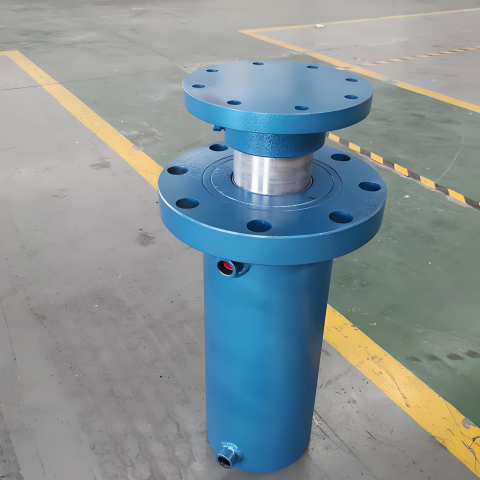
Breaking It Down: What Is a Yoke in a Hydraulic Cylinder?
In the simplest terms, a yoke is a mechanical connection point at one or both ends of a hydraulic cylinder. It’s the part that lets the cylinder attach to a machine frame, moving arm, or another component. Without it, there’s no way to transfer the cylinder’s pushing or pulling force to the rest of the machine.
The yoke often takes the form of a clevis, trunnion, or spherical end, depending on the range of motion and type of load the cylinder needs to handle. It has to be strong, precisely aligned, and often flexible enough to allow slight angular movement without stressing the rod or barrel.
Real-World Example: A Yoke Failure on a Loader Arm
Here’s a real situation from a small farm operation. A skid steer loader had one of its lift cylinders mounted with a clevis-style yoke. Over time, the yoke pin began to wear unevenly due to misalignment. Eventually, the pin bent during a heavy lift, causing the rod end to jam. The entire loader arm froze halfway up—with 600 lbs of material in the bucket. Not only was it a pain to fix, but it halted work for nearly two days.
The root cause? An overlooked yoke misalignment that slowly led to metal fatigue. If caught early, replacing a $20 pin would’ve saved hundreds in downtime and repairs. That’s the hidden importance of the yoke—it holds the system together, and when it fails, everything else suffers.
Types of Hydraulic Cylinder Yokes and Where You’ll Find Them
Depending on the cylinder’s application and motion needs, you’ll run into a few main types of yokes:
- Clevis Yoke: This U-shaped fitting uses a pin to connect to a bracket. Common on both rod and base ends of cylinders. Offers simple linear movement with limited side play.
- Trunnion Yoke: Fixed pivot points on the cylinder’s barrel allow it to rotate during stroke movement. Found in presses, dump beds, and rotating arms.
- Spherical Yoke (Ball End): Allows for some angular movement, reducing stress if alignment isn’t perfect. Useful in mobile equipment or rough-terrain machinery.
Choosing the Right Yoke: It’s Not One-Size-Fits-All
Yoke selection isn’t just about what fits—it’s about how the cylinder moves and what forces it’s under. Here are a few things to consider:
- Load Direction: Is the force purely linear, or does it change angles?
- Rotation Requirement: Does the cylinder need to pivot during operation?
- Mounting Constraints: Is there enough room for a clevis or trunnion setup?
- Alignment Tolerance: Will a fixed yoke lead to side loads or wear?
Using the wrong yoke design can cause rods to bend, seals to fail, and pins to shear. It might not happen overnight, but the damage adds up quickly.
Yoke Material and Wear Issues to Watch For
Just like the cylinder rod and barrel, the yoke needs to be tough. Most are made from forged steel or ductile iron, but the best choice depends on the environment. Here’s a quick comparison:
- Forged Steel: Strong, durable, and great for high-impact work
- Cast Iron: Lower cost, good for moderate loads, but more brittle under stress
- Alloy or Treated Yokes: Used in specialty applications where corrosion or extreme heat is a concern
Wear typically starts at the pin hole or at the joint surfaces where side loads apply. If a pin starts to wobble in its seat, that’s a sign of wear—and if ignored, the problem only grows. Regular inspections can prevent total failure.
Maintenance Tips: Keep Your Cylinder Yoke in Shape
Most equipment owners pay attention to seals and rods, but the yoke needs love too. Here’s how to keep it in working shape:
- Inspect pin holes for oval wear every 100–200 hours of operation
- Use hardened pins where high loads are present
- Lubricate pivot points regularly to reduce friction
- Re-torque mounting bolts after initial break-in periods
If you see cracked paint, uneven movement, or shiny wear marks, that’s your cue to take a closer look. Preventive maintenance is cheaper than reactive repairs.
Conclusion: A Strong Yoke Keeps the System Together
The hydraulic cylinder yoke may not be the flashiest part of the system, but it’s a critical one. It holds everything in alignment, bears the load, and helps your cylinder do its job safely and smoothly. Whether you’re designing new equipment or maintaining existing machinery, don’t underestimate this component.
Get the right yoke for your job, keep it maintained, and you’ll avoid a lot of unnecessary downtime, costly repairs, and equipment failures. Because in hydraulics, even the small parts have a big role to play.
It is recommended to use various types of hydraulic cylinders, dump truck hydraulic cylinders, and top hydraulic cylinders of our company

 Whatsapp


