
If you’ve ever struggled to figure out where to fill hydraulic fluid on a dump truck, you’re not alone. Whether you’re an owner-operator trying to stay ahead of maintenance or a new fleet mechanic on the job, learning how to correctly check and fill dump truck hydraulic fluid is more important than most folks realize. And yet, it’s one of those things that’s often skipped—until something stops working.
This guide is based on real-world experience from dump truck operators, not a manufacturer’s brochure. We’ll walk through when, how, and where to fill hydraulic fluid, what type to use, and how to avoid the common mistakes that can leave your truck stuck on the job site.
What Does Hydraulic Fluid Actually Do in a Dump Truck?
In a dump truck, the hydraulic system is responsible for raising and lowering the dump bed. Hydraulic fluid powers this system by transmitting pressure through the hydraulic pump and cylinder.
When fluid levels drop too low—or if the fluid is dirty or foaming—the dump bed may rise slowly, refuse to stay up, or stop moving altogether. That’s why proper hydraulic fluid fill and maintenance is so important.
Signs Your Dump Truck Needs Hydraulic Fluid
Here are a few signs your hydraulic fluid may be low or contaminated:
- The dump bed lifts slower than usual
- The bed won’t stay raised under load
- You hear whining or grinding from the hydraulic pump
- You spot a leak near the hydraulic lines or cylinder
- The system feels jerky when operating
If you’re noticing any of these issues, it’s time to check the fluid—before you damage the pump or the cylinder seals.
Where to Fill Hydraulic Fluid on a Dump Truck
Every dump truck is a bit different, but here’s a general breakdown of where and how to check and fill hydraulic fluid:
1. Locate the Hydraulic Reservoir
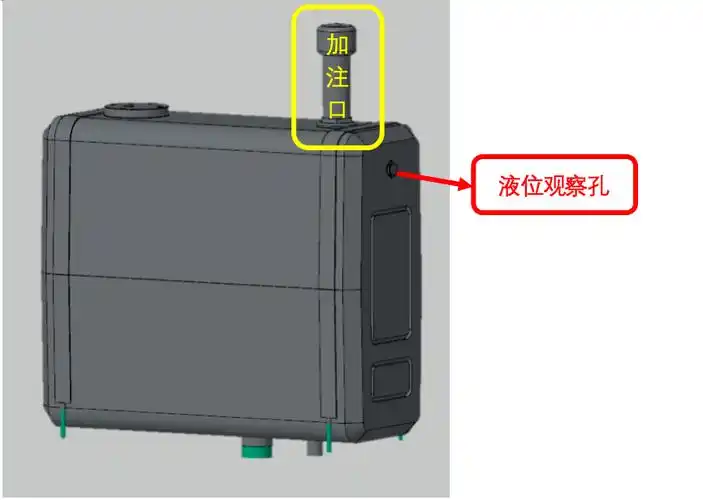
The reservoir is usually mounted near the front or side of the dump body, often with a breather cap or sight glass. It may be behind a toolbox or protected by a metal cover.
2. Check the Fluid Level
Some systems have a dipstick attached to the fill cap. Others use a sight glass or level plug. Make sure the dump bed is lowered and on a level surface when checking the level.
Tip: Never check hydraulic fluid with the bed raised. It gives a false reading and can be dangerous if the bed drops.
3. Add the Correct Fluid
Once you’ve confirmed the level is low, top it off using the correct dump truck hydraulic fluid. Most systems use AW32 or AW46 hydraulic oil, but always double-check your operator’s manual or consult a technician.
Step-by-Step: How to Fill Hydraulic Fluid on a Dump Truck
- Park the truck on level ground and lower the dump bed completely. Engage the parking brake.
- Shut off the engine. Never fill with the engine running.
- Open the hydraulic tank cap or remove the dipstick.
- Wipe down the area to prevent contamination from dirt or dust.
- Slowly pour hydraulic fluid into the tank, watching the sight gauge or dipstick to avoid overfilling.
- Replace the cap tightly and clean up any spilled fluid.
- Start the truck and cycle the dump bed to circulate the fluid. Check levels again and top off if needed.
Common Mistakes to Avoid When Filling Dump Truck Hydraulic Fluid
Even experienced operators slip up sometimes. Here are a few common errors to avoid:
Overfilling the Tank
More isn’t better. Too much fluid can cause pressure build-up, leaks, and frothing inside the reservoir.
Using the Wrong Fluid
Always match the fluid type to the system specs. Mixing incompatible fluids can lead to seal damage and expensive repairs.
Ignoring Leaks
If you’re topping off more than once a month, you probably have a leak. Don’t just add fluid—track down the problem.
Skipping Filter Checks
A clogged hydraulic filter can cause the same symptoms as low fluid. Check and change filters regularly.
How Often Should You Check and Fill Hydraulic Fluid?
Most fleet operators check levels weekly or every 100 hours of operation—whichever comes first. If you’re running older equipment or working in extreme temperatures, check even more often.
Also, change your hydraulic fluid according to the manufacturer’s schedule. Dirty oil doesn’t just hurt performance—it shortens the life of pumps and valves.
Pro Tip: Keep a Logbook
Write down the date, fluid type, and how much was added. It helps spot patterns, track leaks, and keeps your maintenance record organized. For small fleets or solo operators, this can prevent breakdowns and lost jobs.
Final Thoughts: Hydraulic Fluid Isn’t Just Maintenance—It’s Insurance
Topping off your dump truck’s hydraulic fluid might seem like a small task, but it plays a big role in keeping your truck running reliably. If you let it slide, the cost can be major: downtime, missed contracts, and repairs that can hit four figures fast.
By checking fluid levels regularly, using the right oil, and learning the signs of trouble, you’ll be ahead of the game—and your dump truck will thank you for it.
If you’re unsure about the right fluid for your dump truck or can’t find the fill point, drop your truck model below and I’ll help you sort it out.
It is recommended to use various types of hydraulic cylinders, dump truck hydraulic cylinders, Telescopic Dump Truck Hydraulic Cylinder and piston hydraulic cylinders of our company

 Whatsapp


