
When you’re troubleshooting a hydraulic cylinder, most people think of seals, rods, or pressure lines. But anyone who’s dealt with a stubborn repair job knows how critical a small component like the hydraulic cylinder gland nut can be. It’s not flashy. It doesn’t move. But without it, your hydraulic cylinder isn’t going to hold pressure—or stay together for long.
Whether you’re doing maintenance on a loader, excavator, or industrial press, understanding what the gland nut does, how it fails, and how to deal with it can save you time, frustration, and money.\
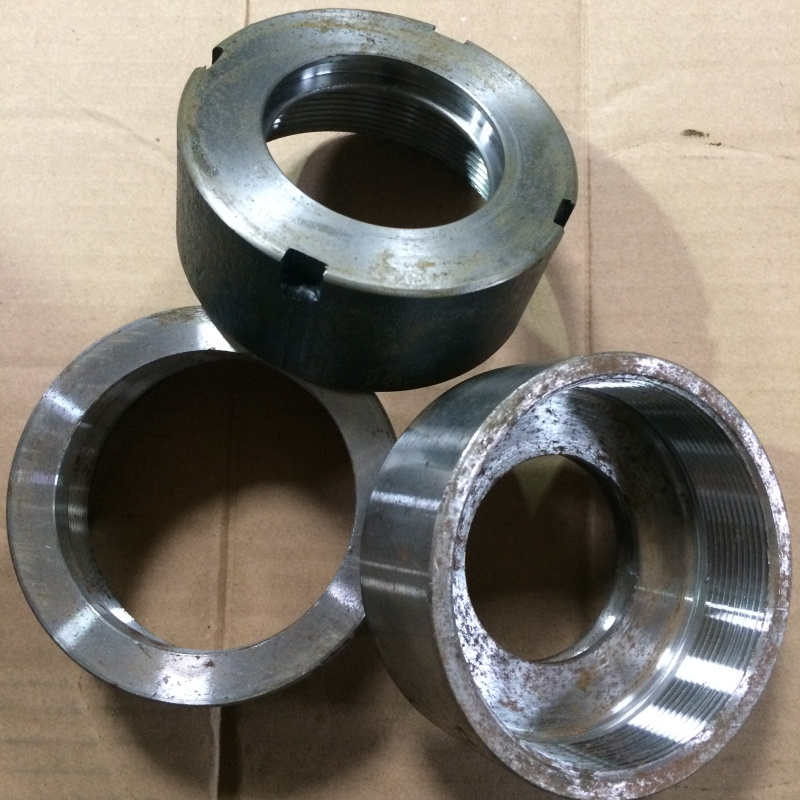
What Exactly Is a Hydraulic Cylinder Gland Nut?
In simple terms, the gland nut is the threaded component that secures the gland (which houses the seals and bushings) to the cylinder barrel. It screws into or over the end of the cylinder and keeps everything locked in place under pressure. In some designs, it’s part of a threaded head assembly; in others, it’s a separate part.
Think of it like the cap on a soda bottle. It may look simple, but if it’s not tightened properly—or if it breaks—you’re going to have a mess on your hands. The gland nut ensures the rod moves smoothly while keeping the high-pressure fluid sealed inside. If it fails, the entire system can lose integrity.
Why the Gland Nut Matters More Than You Think
Out in the field or on the shop floor, gland nuts often go unnoticed. That is, until they seize up, crack under stress, or round off during removal. Here’s why this part matters:
- It holds the sealing system in place – Without it, the gland (and all your seals) would slide out under pressure.
- It keeps the rod aligned – A loose or worn nut can cause rod misalignment, leading to seal wear and rod damage.
- It prevents leaks and blowouts – When torqued correctly, it forms part of the pressure boundary of the system.
Real-world example? We spoke to a mechanic in Texas who services ag equipment. “A cracked gland nut on a sprayer boom cost the farmer 3 days of downtime. Part cost $40. Lost time? Thousands,” he said. That’s how something so small can have such a big impact.
Common Problems with Gland Nuts in Real-World Use
Here are some of the most frequent issues that come up when dealing with hydraulic cylinder gland nuts:
- Seized threads – Exposure to moisture, dirt, or over-tightening can cause the nut to lock up, making removal nearly impossible without heat or special tools.
- Thread damage – Cross-threading or using the wrong tools can permanently damage the barrel threads.
- Cracking under stress – If the nut is overtightened or fatigued from repeated use, it can crack—especially in older cylinders.
- Rounded edges – Using pipe wrenches or pliers can damage the flats or slots, making future maintenance harder.
Most issues happen during disassembly. Many mechanics, under pressure, grab whatever tool fits. But using a proper gland nut wrench (or spanner) can prevent hours of frustration and further damage.
How to Remove or Replace a Hydraulic Cylinder Gland Nut (Without Breaking It)
If you’re faced with a stuck or failing gland nut, here’s a step-by-step approach that real techs use to get the job done:
- Depressurize the system – Always bleed the pressure from your hydraulic lines before touching the cylinder.
- Secure the cylinder – Use a vice or clamp to keep the cylinder stable and avoid injuries.
- Use the correct tool – A gland nut spanner wrench fits into the holes or notches without damaging the nut. Avoid pipe wrenches unless it’s your last resort.
- Apply heat if necessary – A heat gun can help expand the nut slightly if it’s stuck from corrosion.
- Clean and inspect threads – Before installing a new nut, clean the threads on both the barrel and gland. Use anti-seize compound if appropriate.
Replacing the gland nut usually isn’t hard—but removing a damaged one can become a real headache. Take your time and use the right approach the first time.
Buying the Right Gland Nut: What to Look For
Not all gland nuts are universal. If you’re replacing one, make sure you match the specs carefully. Here’s what to check:
- Thread size and type – Metric and imperial threads aren’t interchangeable. A small mismatch can ruin your cylinder barrel.
- Material quality – For heavy-use cylinders, hardened steel or plated components hold up better under pressure.
- Compatibility with the gland – Some glands are grooved or designed to sit in specific nut geometries. Don’t assume a generic nut will fit.
- OEM vs aftermarket – OEM parts are guaranteed to fit, but quality aftermarket options can save money—if you check specs closely.
Ordering from a reputable supplier or directly from the cylinder manufacturer can eliminate guesswork. If you’re unsure, bring the old nut in for comparison.
Final Thoughts: Don’t Overlook This Simple Component
The hydraulic cylinder gland nut isn’t a flashy part, and it doesn’t cost much—but it holds your system together under pressure. It affects alignment, sealing, and long-term durability. Skip over it, and you could face recurring leaks, rod damage, or even total system failure.
If you’re rebuilding a cylinder or performing preventative maintenance, inspect the gland nut carefully. Don’t reuse a cracked or stripped nut. Replacing it now could save hours of downtime later.
In the world of hydraulics, every little part counts. And the gland nut? It’s one of the smallest with the biggest responsibilities.
It is recommended to use various types of hydraulic cylinders, dump truck hydraulic cylinders, Telescopic Dump Truck Hydraulic Cylinderand piston hydraulic cylinders of our company

 Whatsapp


