
If you’ve ever taken apart a hydraulic cylinder, you’ve likely come across the cylinder head — sometimes called the gland or end cap. It may look simple, but it plays a critical role in sealing, guiding, and supporting the internal movement of the cylinder. Whether you’re a repair tech, machine operator, or just someone trying to fix a leaky ram on your equipment, getting familiar with the hydraulic cylinder head is essential.
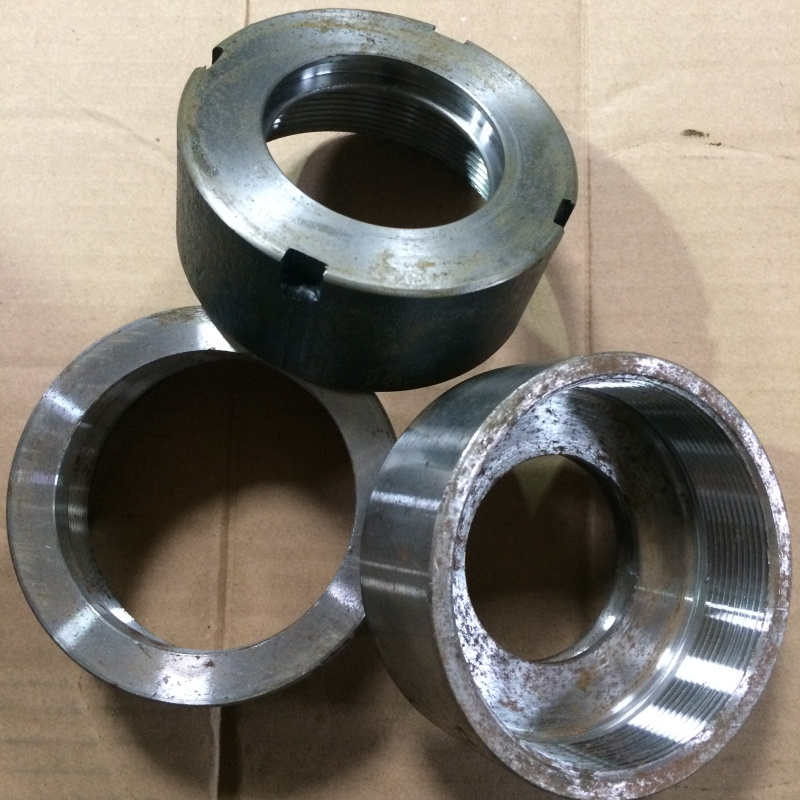
What Is a Hydraulic Cylinder Head?
The hydraulic cylinder head is the component fixed to one end of the cylinder barrel, opposite the base. It serves multiple key purposes:
- Holds the rod seal and wiper seal in place
- Guides the piston rod and keeps it aligned
- Prevents oil leakage from the cylinder
- Supports pressure containment on the rod side
Depending on the cylinder design, the head may be threaded, bolted, or retained with a snap ring or flange. Some designs have integrated glands, while others use removable heads for easier maintenance.
Why Cylinder Heads Are Often Overlooked
In many workshops, cylinder heads don’t get the attention they deserve. People tend to focus on seals and pistons because those are more visibly worn or damaged. But in real-world repairs, failing to inspect the head can cause recurring leaks or even rod misalignment issues. If the bore in the head is worn or the seal groove is damaged, no matter how many new seals you install, you’re still going to have problems down the line.
A Real-World Example
Let’s say you’re working on a farm loader with a boom cylinder that keeps leaking at the rod end. You’ve already changed the seals twice, but the leak returns after a few hours of use. In this case, the likely culprit is a worn-out cylinder head. The rod guide might be enlarged from use, or there could be pitting in the seal area. Replacing or refurbishing the head would solve the issue — not just swapping seals again.
Common Types of Hydraulic Cylinder Heads
Cylinder heads come in different shapes and mounting styles depending on the application. Here are a few common types:
- Threaded Head: Screws into the cylinder barrel. Common in mobile equipment like dump trucks or compact excavators.
- Bolted Flange Head: Secured with bolts and often seen in high-pressure or industrial cylinders.
- Snap Ring Head: Held in place with an internal retaining ring. Easier to assemble and disassemble but not suitable for very high pressures.
- Welded Head: Permanently attached to the barrel. Tough and compact but not repair-friendly.
Choosing the right type depends on your repair goals. Threaded or bolted heads are great for field service since they can be opened and resealed easily. Welded designs, though harder to repair, are more robust in compact equipment.
Inspecting and Maintaining a Hydraulic Cylinder Head
Whenever you’re servicing a cylinder, take a close look at the head. Here’s what to check:
- Look for cracks, especially around the seal grooves or where the head contacts the barrel
- Check the rod guide bushing — if it’s loose or uneven, it could cause side loading
- Inspect the seal grooves for wear, corrosion, or pitting
- Ensure the retaining method (threads, bolts, snap ring) is intact and undamaged
If you spot any damage, it might be time to replace the head or send it for re-machining. Some shops even offer custom re-bushing or honing services for cylinder heads to extend their life.
Maintenance Tip
Always lubricate new seals before installation, and make sure to align the head perfectly during reassembly. Misalignment can wear out seals faster and put extra strain on the cylinder rod. Using a proper hydraulic cylinder head removal tool will prevent damage during disassembly — especially for threaded or snap ring heads.
Where to Buy Hydraulic Cylinder Heads
If your head is beyond repair, replacement is the best option. You can find hydraulic cylinder heads online or at local hydraulic repair shops. Many suppliers offer heads by cylinder size and application — for example, Caterpillar-style, Komatsu, or custom-built units for farm implements or forklifts.
For commonly used cylinders, you can also find full gland kits that include the head, bushing, seals, and wiper — all pre-fitted. Just be sure to match your cylinder’s bore and rod size exactly to avoid compatibility issues.
Conclusion: Don’t Overlook the Hydraulic Cylinder Head
Hydraulic cylinder heads might seem like simple components, but they play a critical role in performance and durability. Skipping an inspection of the head during a cylinder rebuild is a common mistake that leads to frustrating, repeat repairs. Whether you’re fixing a loader, a scissor lift, or a piece of factory machinery, taking the time to check the head can mean the difference between a lasting fix and a short-term patch.
So the next time you’re rebuilding a cylinder, remember: seals are important, but so is the head that holds them. Pay attention to wear, alignment, and fit — your equipment will thank you for it.
It is recommended to use various types of hydraulic cylinders, dump truck hydraulic cylinders, Telescopic Dump Truck Hydraulic Cylinderand piston hydraulic cylinders of our company

 Whatsapp


