
If you’ve ever worked around hydraulic machinery—whether it’s in construction, agriculture, or factory maintenance—you’ve probably seen a hydraulic cylinder in action. But what many people overlook is a small, critical part that keeps the whole thing moving smoothly: the hydraulic cylinder knuckle. It’s not flashy, but it plays a major role in ensuring safe and flexible movement in heavy-duty machines.
In this article, we’ll break down what a hydraulic cylinder knuckle is, why it matters, and what to watch out for when choosing or maintaining one—especially if you’re on the ground using equipment every day.
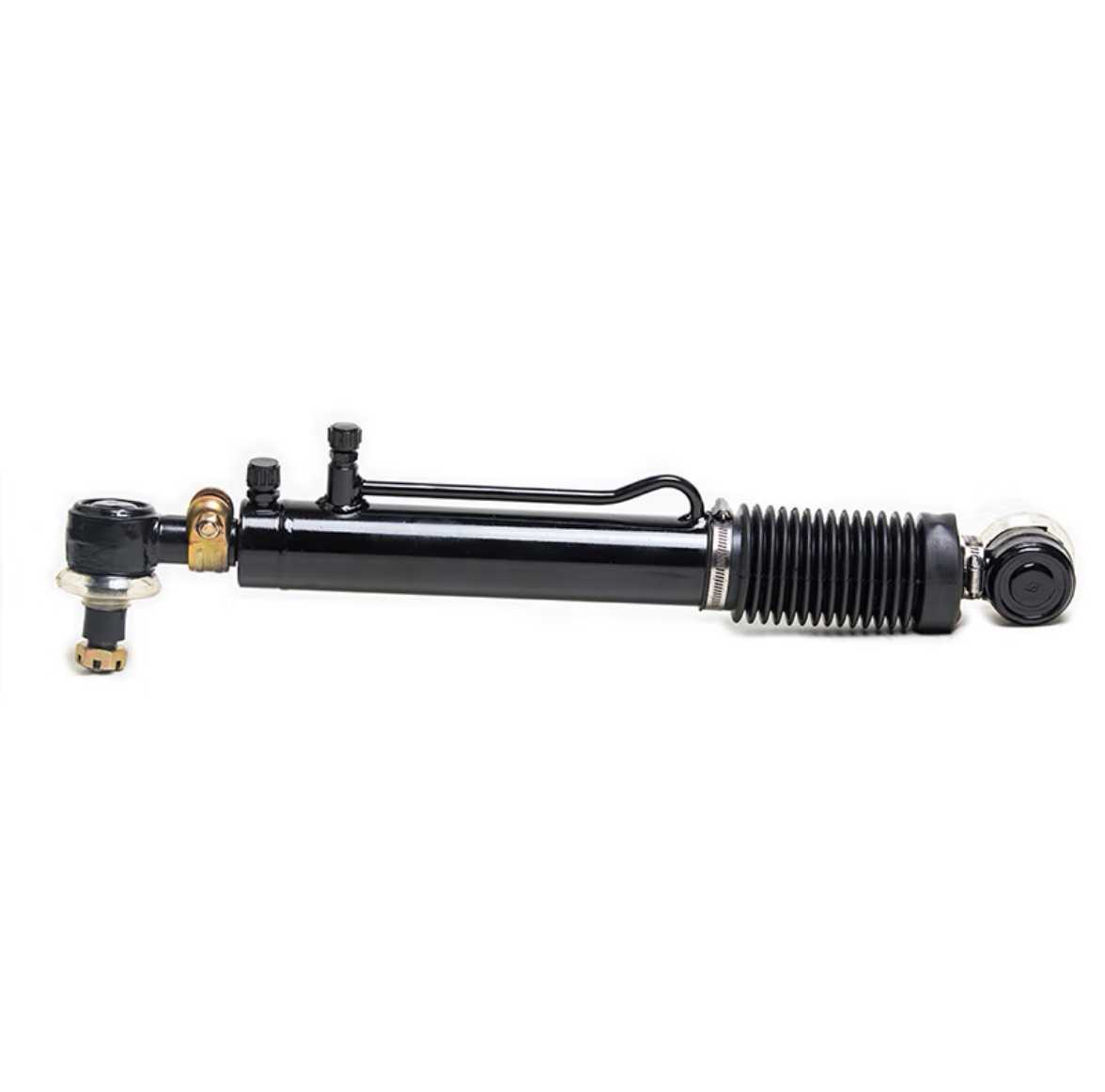
What Is a Hydraulic Cylinder Knuckle?
Simply put, a hydraulic cylinder knuckle is a type of mounting attachment located at one or both ends of a hydraulic cylinder. It’s designed to allow the cylinder to pivot and follow the movement of the machine it’s mounted to. Think of it like a flexible joint—it doesn’t rotate 360 degrees, but it gives just enough movement to reduce stress and misalignment during operation.
Real-World Example: Where You’ll Find Them
Imagine you’re running an excavator on a construction site. The boom and arm need to move smoothly and adjust angles quickly. The hydraulic cylinder driving that movement is mounted using knuckle joints at both ends, allowing it to pivot slightly and stay aligned with the motion. Without knuckle joints, the whole cylinder would wear out faster—or worse, seize up entirely under pressure.
Why the Knuckle Matters More Than You Think
Most people working with hydraulic systems focus on the cylinder bore, stroke, or PSI rating—and rightfully so. But if your mounting setup isn’t right, all those specs mean very little in the field. The knuckle plays a key role in ensuring flexibility and reducing mechanical stress. Here’s how:
- Reduces wear and tear by absorbing angular misalignment
- Improves motion control during operation
- Prevents damage to pins, brackets, and cylinder ends
- Extends cylinder lifespan by maintaining alignment under load
Types of Hydraulic Cylinder Knuckle Mounts
Depending on the application, you’ll find several variations of knuckle joints. Here are the most common types used in real-world equipment:
1. Clevis with Spherical Bearing (or Eye Mount with Ball Joint)
This setup allows a wider range of angular movement. It’s ideal for mobile equipment like dump trucks, backhoes, and excavators where constant pivoting is needed.
2. Forked Clevis and Pin Mount
A more traditional approach, typically found in industrial machinery where pivoting is required in one plane. These are robust but limited in flexibility compared to spherical options.
3. Flange Mount with Integrated Knuckle
Common in stationary or semi-mobile equipment like presses or compactors. These provide stability and moderate movement allowance—best when you don’t need a full range of motion but still want protection from misalignment.
Choosing the Right Hydraulic Cylinder Knuckle
Let’s say you’re in charge of maintaining a small fleet of earthmoving equipment, and one of your dump trailers has a damaged cylinder. You order a new one with the same bore and stroke—but it doesn’t fit because the knuckle mount type is different. That’s not just an inconvenience—it’s a project delay and potential safety issue.
Here are a few things to consider when selecting or replacing a cylinder knuckle:
- Match the mount type to the machine’s bracket system
- Check load ratings—not all knuckles are rated the same
- Inspect the pin diameter and eye width for compatibility
- Consider movement range needed for your application
Maintenance Tips from the Field
Like anything in hydraulics, the knuckle needs care. Here’s what experienced technicians and machine operators do to make sure their knuckles last:
1. Lubricate the Pin Joints Regularly
Lack of lubrication causes premature wear. A seized knuckle pin can bend brackets or crack the cylinder end cap.
2. Inspect for Play or Looseness
If the pin starts wobbling or the joint shows side-to-side movement, it’s time for bushing replacement or tighter pin fitment.
3. Check for Cracks or Deformation
Especially after an overload or impact, inspect the knuckle for cracks. A failure during operation could be catastrophic in high-pressure environments.
Where to Source Hydraulic Cylinder Knuckles
Whether you’re building a custom setup or replacing parts on an existing one, you’ve got a few options:
1. Local Hydraulic Repair Shops
Shops often have access to OEM parts and can machine or adapt knuckles to fit. This is ideal if you’re dealing with unusual specs.
2. Online Industrial Suppliers
Websites like IndiaMART, Alibaba, or Grainger stock various types of knuckle mounts. Just be sure to double-check dimensions before ordering.
3. Custom Fabricators
If you’re working on older machinery or have specific needs, many local workshops can fabricate the knuckle mount to spec.
Final Thoughts: Don’t Underestimate the Knuckle
The hydraulic cylinder knuckle might seem like a small piece in a much larger machine, but its role is anything but minor. A poor-quality or mismatched knuckle can cause uneven load, fast wear, or outright equipment failure. On the other hand, a good knuckle mount ensures smooth operation, less downtime, and lower maintenance costs.
If you’re dealing with hydraulic systems regularly—whether in a factory, on a farm, or at a construction site—take a few extra minutes to get your knuckle setup right. Your machines (and your budget) will thank you.
It is recommended to use various types of hydraulic cylinders, dump truck hydraulic cylinders, Telescopic Dump Truck Hydraulic Cylinder and piston hydraulic cylinders of our company

 Whatsapp


