
When we think about hydraulic cylinders, we often picture the shiny piston rods pushing or pulling loads. But the real force behind it all? That’s the hydraulic cylinder pump. It’s the heart of any hydraulic system, yet it’s often misunderstood, misused, or simply overlooked—until it fails. If you work with equipment that relies on hydraulic power, knowing how the pump functions (and how to choose the right one) can save you time, money, and a lot of frustration.
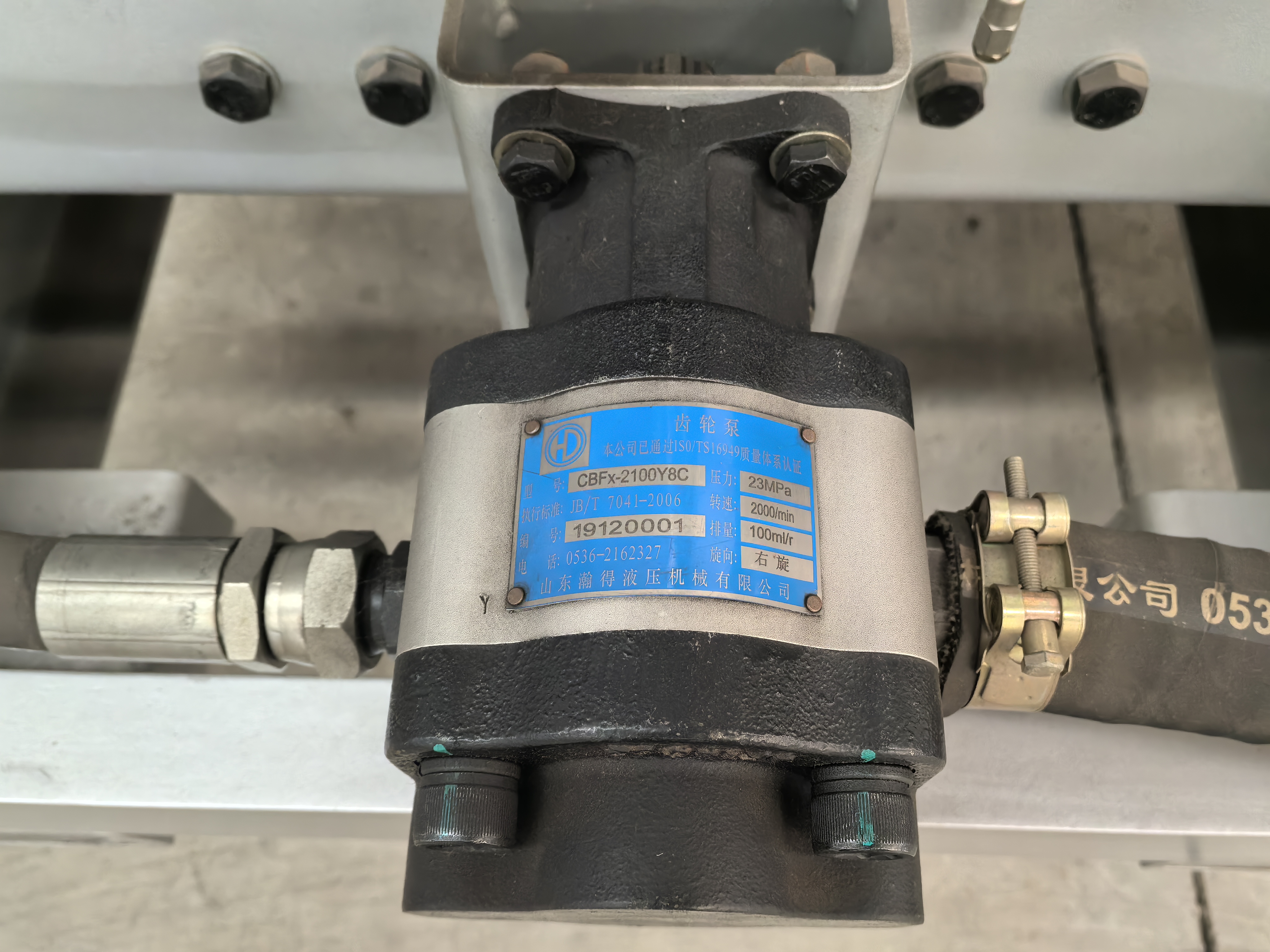
What Is a Hydraulic Cylinder Pump?
A hydraulic cylinder pump is the component responsible for moving hydraulic fluid from a reservoir into the cylinder. It builds the pressure required to move the piston inside the cylinder, which in turn creates mechanical force to lift, push, or hold a load. Without the pump, the cylinder is just a hollow metal tube.
Basic Function in a Hydraulic System
The pump takes hydraulic oil from the tank and forces it through the system at high pressure. This pressure then acts on the piston inside the hydraulic cylinder. Once pressure builds to the level needed, the cylinder extends or retracts based on the direction of flow. In short, the pump provides the muscle to get work done.
Different Types of Hydraulic Pumps
- Gear Pumps – Simple and reliable, best for low- to mid-pressure applications.
- Piston Pumps – High efficiency and ideal for heavy-duty systems like excavators or presses.
- Vane Pumps – Smooth and quiet operation, used in many industrial setups.
Each type has its place depending on your machine’s pressure, flow rate, and control needs.
Why Choosing the Right Pump Matters
You can’t just throw any pump into a hydraulic system and expect it to perform. The wrong pump can cause overheating, weak cylinder performance, or premature system wear. Let’s break down why the pump choice is critical.
Performance, Speed, and Force Output
The flow rate of the pump determines how fast your hydraulic cylinder moves. The pressure rating controls how much force it can deliver. Undersized pumps lead to sluggish performance. Oversized pumps waste energy and can strain seals and fittings.
Energy Efficiency and Long-Term Cost
In high-use operations like mining or construction, inefficient pumps add thousands of dollars to fuel or electricity bills over time. An efficient, correctly sized pump reduces energy use while extending system life.
Common Problems Related to Hydraulic Cylinder Pumps
If your hydraulic cylinder isn’t working right, don’t blame the cylinder right away—the pump could be the root cause.
Low Pressure or Weak Cylinder Force
This is often due to internal leakage in the pump or worn vanes/gears. If your cylinder struggles to lift the same load it used to handle easily, check the pump first.
Overheating and Oil Contamination
Pumps running above their design limits generate excess heat. That heat breaks down oil, damages seals, and accelerates wear. Dirty or contaminated oil from a bad reservoir can also damage the pump itself.
Noise, Vibration, and Inconsistent Operation
Unusual noises often mean cavitation—where air gets sucked into the pump and forms bubbles that collapse under pressure. It’s a sure way to shorten pump life if left unchecked.
How to Choose the Right Hydraulic Cylinder Pump
Selecting a pump shouldn’t be guesswork. You’ll want to match it to your specific application, environment, and workload.
Match Flow Rate to Cylinder Size
The bigger the cylinder, the more oil it needs to fill and move. Match the pump’s flow rate (in liters or gallons per minute) to the cylinder’s volume and stroke speed.
Consider Load Type and Duty Cycle
Are you lifting once a day or 500 times an hour? A pump designed for intermittent duty will overheat and fail in continuous-use applications. Always choose based on how the system is actually used.
Maintenance Access and Serviceability
In real-world use, even the best pump will need servicing. Choose a model with easy access to seals, bearings, and filters—especially if you’re working in remote or rough locations.
Real-Life Scenario: When the Wrong Pump Cost a Contractor Three Days
One contractor installed a gear pump rated for 1,500 psi on a skid loader cylinder that needed 2,500 psi. Everything seemed fine during the first week, but once they started heavy lifting, the cylinder couldn’t fully extend. The cylinder was replaced, thinking it was the problem—but the issue remained. Turns out, the pump couldn’t produce enough pressure. By the time they figured it out, they had lost three days of work, a new cylinder, and a customer.
Lesson learned: know your pressure and flow requirements
It is recommended to use various types of hydraulic cylinders, dump truck hydraulic cylinders, and top hydraulic cylinders of our company

 Whatsapp


